
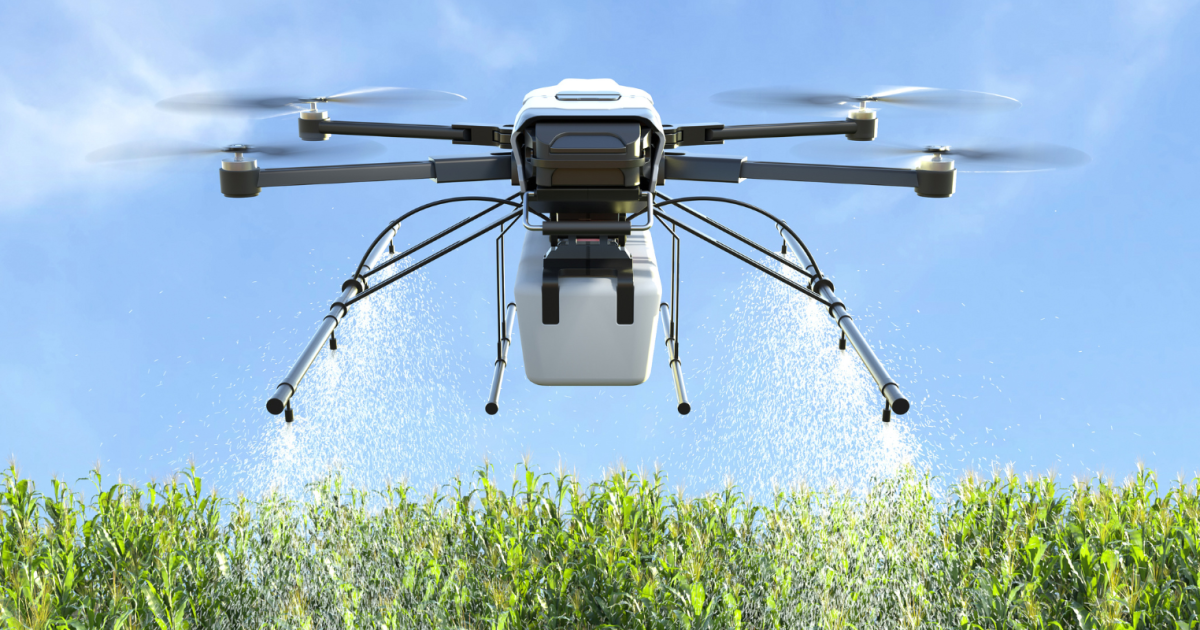
The road to sustainability demands efficiency, insight, and innovation—and drones bring all three. Sustainability Drones are revolutionizing how industries manage resources, reduce emissions, and protect natural habitats. With their unmatched mobility and intelligence, UAVs are helping build smarter cities, cleaner industries, and a greener planet.
1. Precision Agriculture for Environmental Balance
Agriculture consumes nearly 70% of global freshwater. Through precision farming powered by drones, this number can drop significantly. UAVs equipped with NDVI (Normalized Difference Vegetation Index) cameras analyze crop health, irrigation efficiency, and fertilizer distribution. Farmers receive detailed maps showing exactly where nutrients or water are needed—reducing waste and improving yield sustainability.
WUAV’s agricultural partners are leveraging drones to minimize environmental footprints while increasing food productivity. This fusion of technology and ecology represents a cornerstone of sustainable development—feeding the world while protecting natural resources.
2. Smart Infrastructure and Renewable Energy
Sustainability drones also play an essential role in maintaining solar farms, wind turbines, and hydropower systems. Instead of manual inspections, which are time-consuming and risky, UAVs equipped with thermal cameras detect faults in solar panels, assess blade conditions on wind turbines, and monitor dam health—all without halting operations.
This results in longer equipment lifespan, reduced maintenance costs, and lower carbon footprints. As renewable energy grows, drones will remain at the center of a digitally connected clean-energy ecosystem.
3. Ocean and Wildlife Conservation
UAVs are being deployed to protect endangered species, monitor illegal poaching, and survey marine pollution. Drones can follow migratory animals, track population trends, and help researchers understand behavioral patterns without disturbing habitats.
For marine applications, waterproof drones collect data on coral reefs, track oil spills, and identify plastic pollution zones. WUAV collaborates with international conservation agencies to integrate drone-based monitoring into global environmental preservation missions.
4. The Future: AI-Driven Sustainability
As AI and UAV technologies merge, sustainability drones are evolving into predictive systems capable of analyzing long-term environmental patterns. Future drones will autonomously assess deforestation risks, detect methane leaks, and simulate emission reduction outcomes.
By merging AI, data analytics, and robotics, WUAV envisions a world where drones act as the planet’s digital protectors, guiding humanity toward a cleaner, data-driven future.