
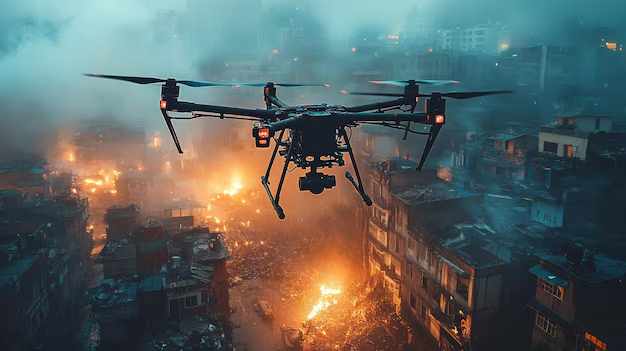
The future of humanitarian aid is airborne. Drones are emerging as the backbone of modern crisis response—offering unparalleled speed, efficiency, and accessibility in times when human mobility is limited. Disaster Response Drones are now being deployed across continents to support emergency teams, deliver essential supplies, and restore connectivity in devastated regions.
Beyond Observation: Active Humanitarian Engagement
Early drone usage focused on aerial mapping, but modern systems go far beyond that. Equipped with payload delivery systems, they can transport medicine, food, or rescue tools to areas isolated by floods or landslides. In many cases, UAVs have served as the first line of support before traditional ground aid could arrive.
For instance:
-
In Africa, drones are used to deliver vaccines and medical supplies to villages cut off by floods.
-
In Indonesia and the Philippines, disaster drones help locate missing persons after tsunamis.
-
In Europe, UAVs act as flying cell towers—restoring temporary communication networks during blackouts.
Integrating AI and Robotics
AI-driven navigation enables drones to autonomously detect and avoid obstacles, while thermal and night-vision cameras ensure 24/7 operation. Advanced models can even analyze smoke, detect toxic gases, and measure radiation, providing real-time risk assessments to command centers.
By combining AI, robotics, and IoT, drones are no longer just tools—they are intelligent partners in humanitarian missions. WUAV champions these innovations through collaboration with global UAV federations, research institutions, and relief organizations.
Long-Term Humanitarian Benefits
-
Accessibility: Drones reach areas unreachable by vehicles or helicopters.
-
Affordability: UAV-based operations cost significantly less than traditional aircraft.
-
Scalability: Drone swarms can operate simultaneously, covering large disaster zones.
-
Accountability: Every operation is logged digitally for transparency and audit.
-
Sustainability: Drones reduce fuel use and environmental impact compared to traditional methods.
WUAV’s Humanitarian Vision
WUAV’s mission extends beyond technology—it’s about creating a connected global response ecosystem. We believe every country should have access to standardized, certified drone programs for emergency use. Through workshops, policy advocacy, and innovation challenges, WUAV is shaping a future where drones become central to global resilience, humanitarian relief, and sustainable development.