
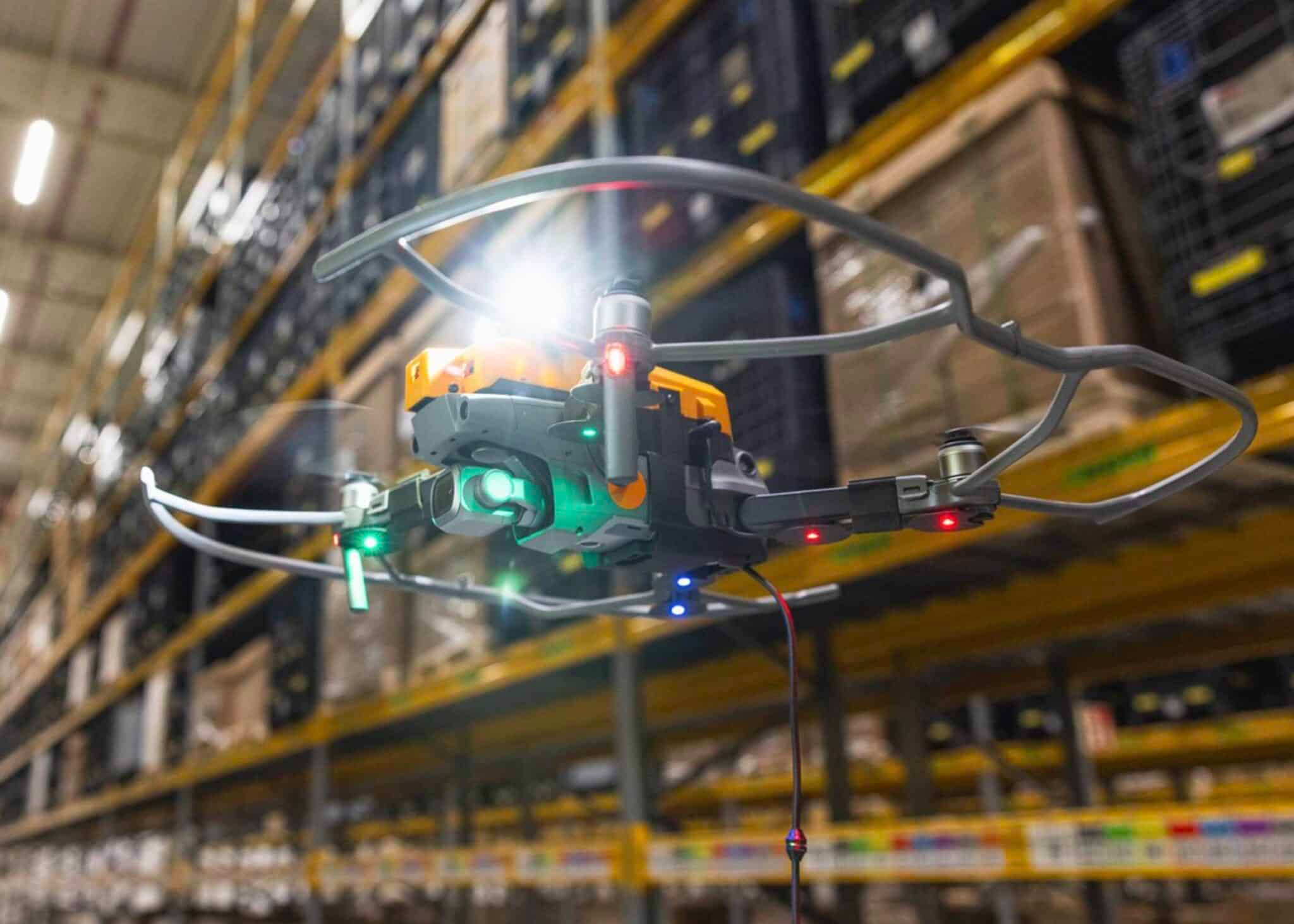
Traditional inventory management relied heavily on manual labor — a slow, error-prone, and costly process. But the landscape is changing. Drones equipped with smart sensors and AI are redefining how companies manage assets, stock levels, and distribution, leading to a new era of efficiency and automation.
Why Manual Counting No Longer Works
In large-scale warehouses, manual stock counting can take days, disrupting operations and often leading to inaccurate results. Human fatigue, limited accessibility, and data entry errors contribute to lost revenue and inefficiency. The need for a fast, automated solution gave rise to inventory drones.
Drone-Powered Automation
Modern drones can autonomously map warehouse layouts, identify stock using RFID or barcode scanning, and upload the data directly to centralized systems. Through AI analytics, businesses can detect anomalies, track missing pallets, and optimize shelf usage — all in real time.
Business Impact
-
Enhanced Accuracy: Achieving up to 99.9% inventory precision.
-
Increased Productivity: More tasks completed in less time.
-
Scalable Operations: Easily adaptable to warehouses of any size.
-
Energy Savings: Efficient power usage compared to manual machinery.
Global Adoption
From Amazon’s fulfillment centers to logistics startups, companies across the world are integrating inventory drones into their daily operations. The technology is not just a competitive edge — it’s quickly becoming an operational necessity.
Inventory drones represent the bridge between human oversight and robotic precision. They empower companies to achieve unmatched accuracy, speed, and efficiency — making aerial automation the foundation of the modern supply chain.