
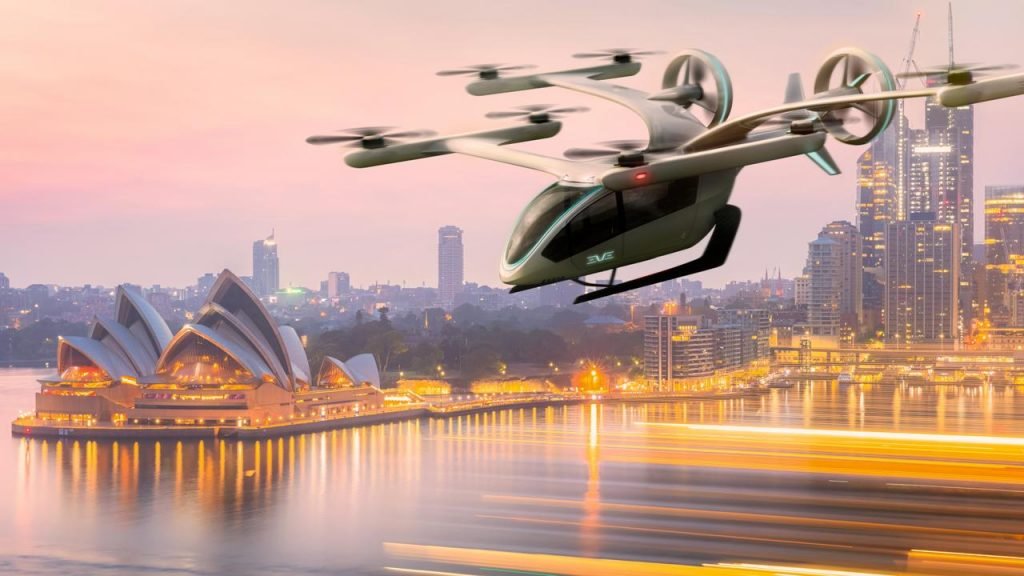
As eVTOL technology rapidly advances, infrastructure and regulation have become the decisive factors in turning the UAM vision into reality. Without safe air corridors, standardized vertiports, and updated flight management systems, UAM cannot scale sustainably.
Building the Vertiport Network
Vertiports are the landing and take-off hubs for UAM vehicles — similar to metro stations for the skies. They require careful placement within urban environments to optimize accessibility and minimize noise pollution. Rooftops, parking structures, and dedicated elevated platforms are potential locations for future vertiports.
Key Elements of a Vertiport
-
Charging & Maintenance Stations for eVTOL batteries
-
Passenger Terminals with digital ticketing
-
Air Traffic Interfaces for autonomous flight coordination
-
Emergency Protocol Zones for safety management
Airspace Management
To accommodate UAM, cities must create layered, dynamic airspace systems. Artificial Intelligence and IoT will play a vital role in tracking and routing thousands of low-altitude flights simultaneously. Integration with existing air traffic systems is essential to avoid collisions and ensure operational efficiency.
Regulatory Landscape
Global regulators are still defining standards for UAM safety and certification. Agencies such as the FAA (U.S.), EASA (Europe), and CAAC (China) are developing guidelines for aircraft design, pilot licensing, and airworthiness. Collaboration among cities, aviation authorities, and manufacturers will determine the pace of adoption.
Sustainability Considerations
Urban planners are ensuring that UAM aligns with environmental goals — focusing on noise reduction, green energy usage, and minimal land impact. Future UAM infrastructure will be designed to integrate seamlessly with other modes of public transport, promoting multimodal connectivity.
Urban Air Mobility is not just a technological challenge — it’s an urban design challenge. Cities that invest in forward-thinking infrastructure and balanced regulation will lead the next era of mobility innovation.