
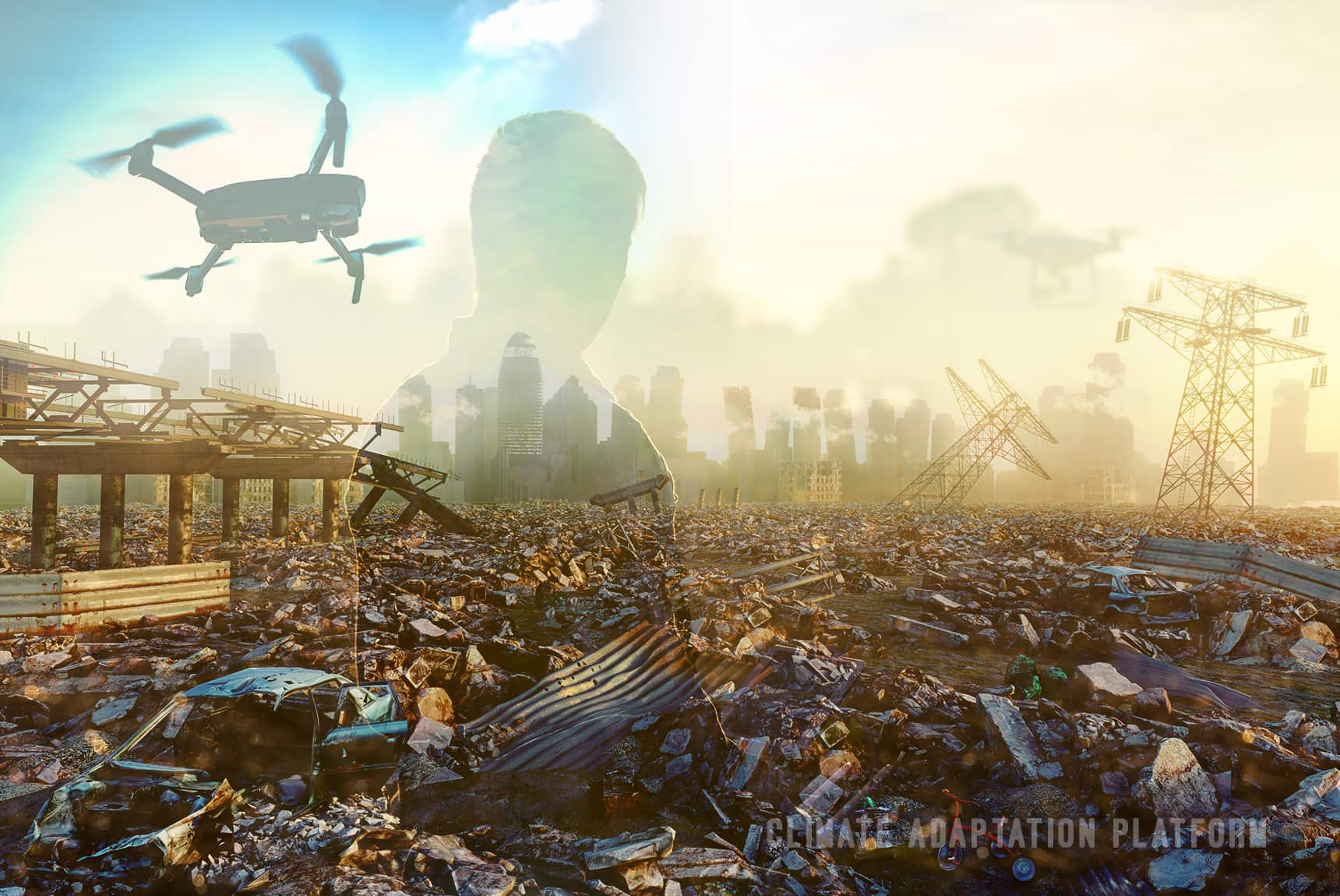
Natural and man-made disasters cause massive loss of life, infrastructure, and resources each year. Whether it’s an earthquake in Asia, a wildfire in Australia, or floods in Europe, the ability to respond rapidly can determine the outcome for thousands. Disaster Response Drones—autonomous, intelligent, and data-driven aerial systems—are transforming emergency management on a global scale.
Speed, Precision, and Real-Time Awareness
Traditional rescue operations rely heavily on manual scouting and limited communication. Drones change this dynamic entirely. Within minutes, they can fly over dangerous terrain, capture live video feeds, and provide real-time situational awareness to command centers. With thermal imaging and LiDAR mapping, drones can identify heat signatures of survivors trapped under rubble, even at night or in poor weather.
WUAV (World UAV Federation) advocates for integrating drone-based systems into national and regional disaster response frameworks. By leveraging AI-driven analysis, IoT sensors, and cloud data platforms, UAVs can instantly generate 3D models of disaster zones. This data allows governments and humanitarian organizations to make faster, more informed decisions about evacuation routes, resource allocation, and recovery strategies.
Safety and Cost Efficiency
Deploying drones reduces risks for human responders by minimizing the need to enter unstable or contaminated areas. A single drone equipped with multispectral sensors can replace multiple helicopters for initial assessment—cutting operational costs by over 70% while providing far greater coverage.
Examples include:
-
In Japan, drones were used to assess damage after the 2011 earthquake and tsunami, mapping thousands of square kilometers in a few hours.
-
During Hurricane Dorian (Bahamas), drones helped locate survivors stranded on rooftops when helicopters couldn’t reach.
-
In Pakistan’s flood-affected regions, UAVs were used to monitor water levels and guide relief teams safely through submerged zones.
WUAV’s Commitment
WUAV supports drone innovation by promoting training, research, and policy collaboration. We encourage partnerships between the public sector, private innovators, and emergency agencies, ensuring that drone deployment meets international safety and ethical standards. Our mission is to build a world where technology and humanity unite—making disaster response faster, safer, and smarter than ever before.