
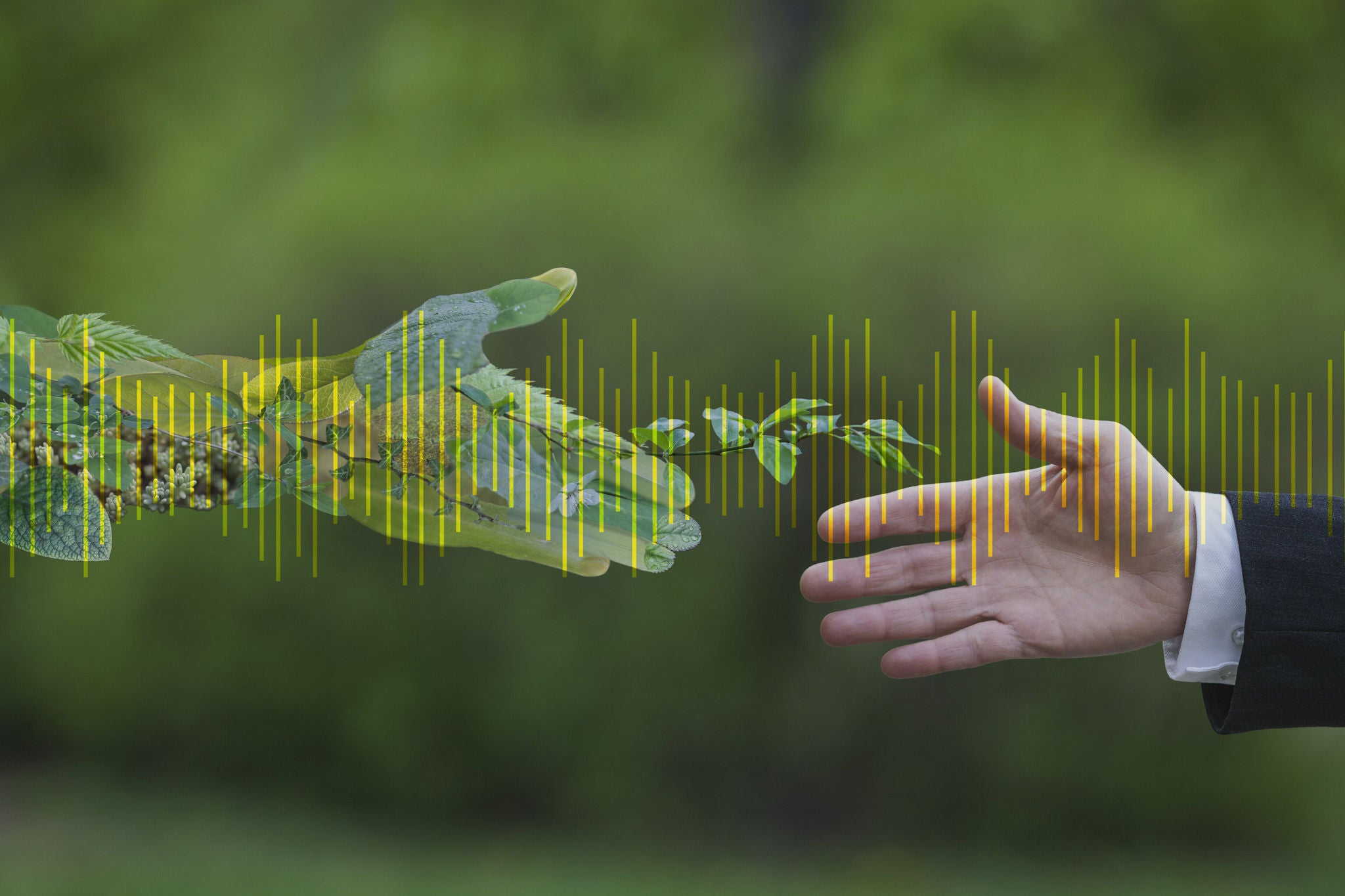
As the world faces escalating environmental challenges—climate change, deforestation, water scarcity, and pollution—technology is emerging as a vital ally. Among the most impactful innovations are Sustainability Drones: intelligent, autonomous aerial systems designed to monitor ecosystems, optimize resource usage, and support green decision-making.
At WUAV, we believe drones are not just tools of innovation—they are agents of environmental transformation. Through real-time data collection, AI analysis, and precision operations, UAVs are enabling industries and governments to build a future where growth and sustainability coexist harmoniously.
1. Aerial Eyes for Environmental Protection
Sustainability drones act as real-time observers of Earth’s fragile ecosystems. Using multispectral imaging, LiDAR scanning, and infrared sensors, they map forest canopies, measure pollution levels, and detect illegal deforestation. In just a few hours, UAVs can capture thousands of hectares of high-resolution data—providing insights that satellite imagery alone cannot achieve.
For instance, in regions suffering from desertification, drones help measure soil degradation and guide restoration efforts. In wetlands and coastal zones, UAVs monitor water quality, biodiversity levels, and plastic waste accumulation. This aerial intelligence allows environmental agencies to respond quickly to ecosystem threats and enforce conservation policies more effectively.
2. Supporting Carbon Neutral Goals
Many countries and organizations are racing to achieve Net Zero Emissions by 2050. Drones play a crucial role in achieving this vision. Through precision energy audits, solar panel inspections, and wind turbine monitoring, sustainability drones ensure renewable infrastructure performs efficiently—minimizing waste and maximizing energy output.
WUAV supports partnerships that integrate UAVs into clean energy systems, helping companies track carbon footprints, detect inefficiencies, and transition toward greener technologies.
3. Data for Sustainable Policy and Planning
Governments and city planners use drone-generated environmental data to make informed sustainability policies. UAVs provide insights into urban air quality, heat island effects, and green cover ratio—helping design smarter, healthier cities. By combining drone data with AI-driven analytics, urban planners can predict pollution trends, optimize waste management routes, and improve air circulation in high-density areas.
4. WUAV’s Role in Global Sustainability
As a hub for drone innovation and collaboration, WUAV actively promotes sustainable drone practices. Through international workshops, environmental drone programs, and research initiatives, we empower nations to use UAVs responsibly for climate monitoring, conservation, and renewable energy development.
Our goal is simple but transformative: to make drones the guardians of a sustainable planet, combining precision engineering with environmental empathy.