
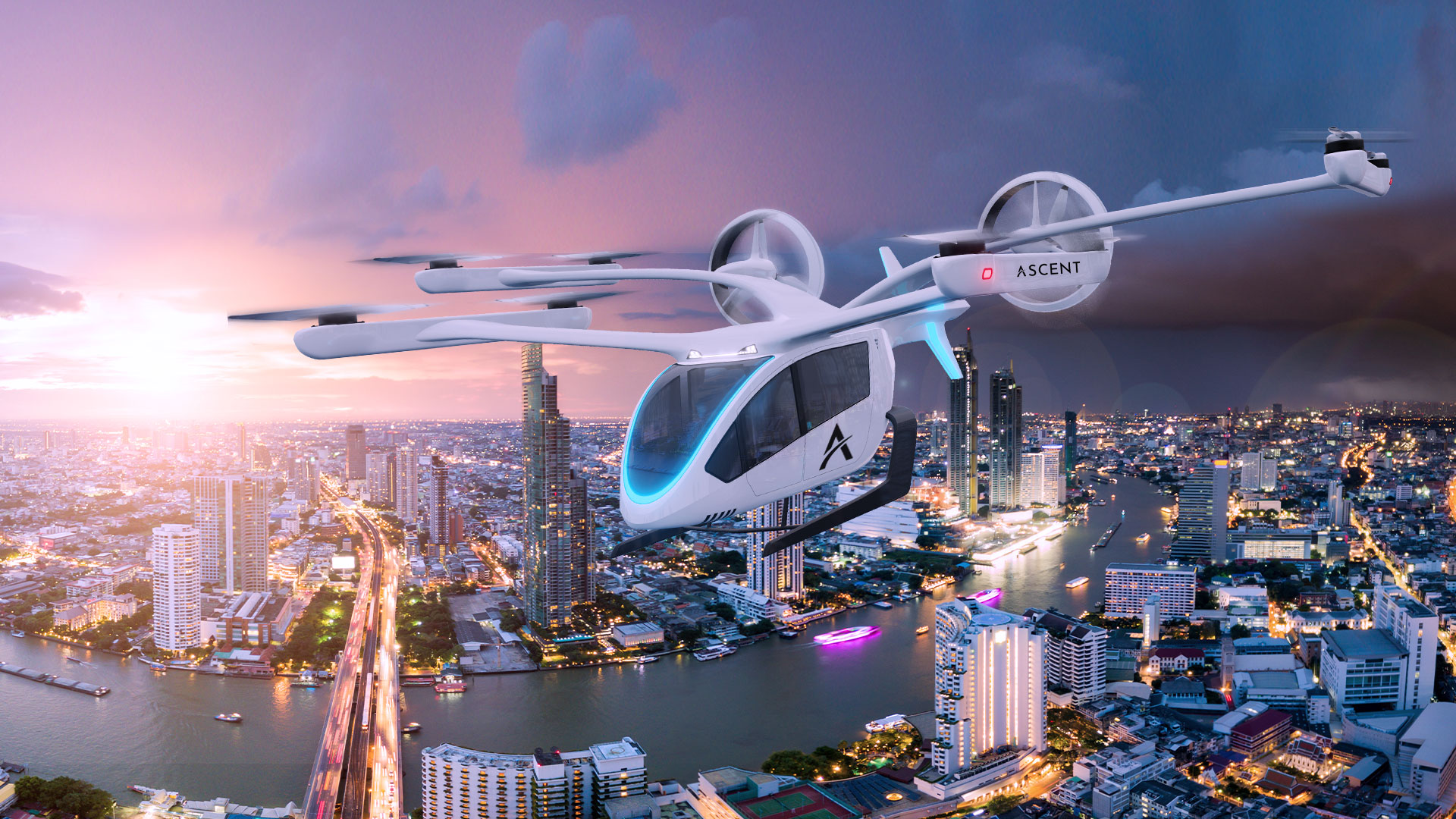
Urban Air Mobility (UAM) is reshaping how people and goods will move within cities. With rapid urbanization and increasing traffic congestion, traditional ground transport is no longer sufficient. UAM leverages electric vertical take-off and landing (eVTOL) aircraft, advanced digital infrastructure, and smart city technologies to introduce a new dimension of transportation — through the air.
What Is Urban Air Mobility?
Urban Air Mobility refers to the ecosystem that enables safe and efficient air transport of passengers and cargo within urban and suburban areas. Powered by electric propulsion and automation, UAM vehicles are designed to take off and land vertically, reducing the need for long runways and infrastructure.
The Promise of eVTOL Technology
Electric VTOLs are the backbone of UAM. They combine the convenience of helicopters with the environmental benefits of electric aviation. These aircraft operate quietly, emit zero local carbon, and can be fully autonomous in the future. Global aerospace companies like Joby Aviation, Volocopter, and Lilium are leading this revolution.
Why Cities Need UAM
-
Traffic Congestion Relief: UAM can drastically cut travel times in cities plagued by gridlock.
-
Environmental Sustainability: Electrification of aerial transport will reduce greenhouse gas emissions.
-
Economic Growth: UAM creates new industries — from vertiport infrastructure to digital airspace management.
-
Emergency Response: Aerial vehicles can reach hard-to-access locations faster than ground ambulances or delivery vehicles.
Challenges Ahead
While the technology is promising, full-scale implementation requires:
-
Robust airspace integration frameworks.
-
Strong public trust in safety and reliability.
-
Scalable charging infrastructure and energy management.
-
Clear policy and certification from aviation authorities.
Urban Air Mobility isn’t just about flying taxis; it’s about reimagining the urban ecosystem. With proper collaboration between governments, innovators, and citizens, UAM could soon make air travel a part of daily city life — just as common as riding the subway today.